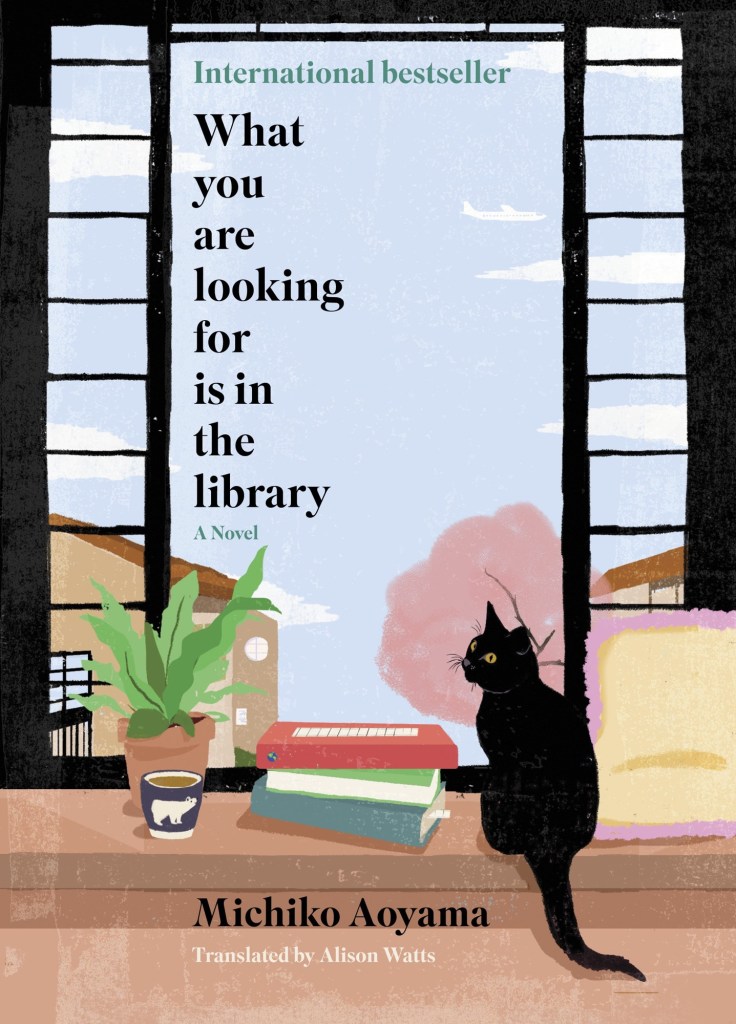
Inspiring and Incredibly relatable to the human experience. Losing one’s purpose is an inevitable consequence. The title of the book—What you are looking for is in the library is a literal translation of each character’s situation. Machiko Aoyama hints that literature might be the door leading to our inner child’s and finding our personal reason to live again, no matter what stage in life you are currently living.
The stories of the characters interconnecting is an interesting touch and such a joy to read. It made the human experience feel shared. “I see. I’m not the only one here who often feels lost and need direction,” is what I believe the characters would say if they also read the book. It is what the reader feels as well.
When the characters find the library to search for books on subjects they’re currently trying to study or learn about, they are for sure going in with a single goal, to simply find reference. However, they get utterly puzzled when Sayuri, the librarian, asks them this question: “what are you looking for?” It is then not a simple question to answer anymore. It is almost overwhelming. What are we exactly looking for, we then ask ourselves.
Among the book recommendations the librarian gives them, she also gifts them little felted objects. They can be a random object or an animal with no particular meaning but then it comes around in a full circle. Tomoka, the twenty-one years old sales assistant, and the felted frying pan. She finds her joy again in making castella. And so on.
When they found the egg, they knew what it could be used for, because they already knew how to make castella.
Is what Tomika realizes reading the kids’ picture book she read in her childhood. Often times when we re-visit a show or a book from our childhood we see it in a completely different light. We realize we didn’t really grasp its message or what it was trying to tell us. Or maybe, we get to understand it in a different way. When they found the egg, they knew what it could be used for also reminds me of the saying “a rolling stone gathers no moss”. We don’t necessarily know right of the bat what we want to do, what is our next endeavor, just like Tomoka. But life throws us hints, here and there. Deeper inside, we are full of experiences and interests waiting to be rediscovered—we do know exactly what we need to do, we just needed a signal or a motive.
The lesson I get from this is that you got to keep the stone rolling. That way only you will eventually bump into your purpose like magic. The characters went to the library for a different purpose but got out holding their answer. That would have never happened if they kept going about their lives and blaming the damned world for their misfortunes. They feel rejuvenated and get unstuck by visiting their childhood interests again, talking to experienced people in the fields they’re interested in, etc. “It is amazing how much more energy I have and how much healthier I feel.” Is what Tomoka says after days of practicing making castella she would not have done if she hasn’t read her childhood picture book again. Breaking off a cycle you did not choose to be in is freeing. She found inspiration again and healing her inner child.
And speaking of breaking cycles, the white acacia flowers we see Sayuri wearing as hair pins and on the honeydome cookies box in which she stores her felting items symbolizes the beauty in retreat. It might not be on purpose, in relation to the characters, but I still like to believe it is—apparently, it is believed that in funerals the acacia flowers is also used and associated with rebirth.
There is so much to unpack and learn from in this novel, it is rich with life lessons that we often hear or know deep inside but rarely shown direct and clear examples of such lessons. The ages of the characters range from early twenties to mid sixties with various life situations that any reader could easily relate to. I would recommend it to late teens, just starting to venture into the real world, and above.

 Carpe Diem Society
Leave a comment